
A year ago, the inflation story looked almost finished. Prices were cooling in most of the world, central banks were cutting interest rates, and economists were debating how quickly life would return to normal. Today, families are paying more for fuel, food, and travel, and central banks are raising rates again.
This article explains what has changed, where inflation stands in the major economies, and what may come next.
A Quick Refresher: What We Mean by Inflation
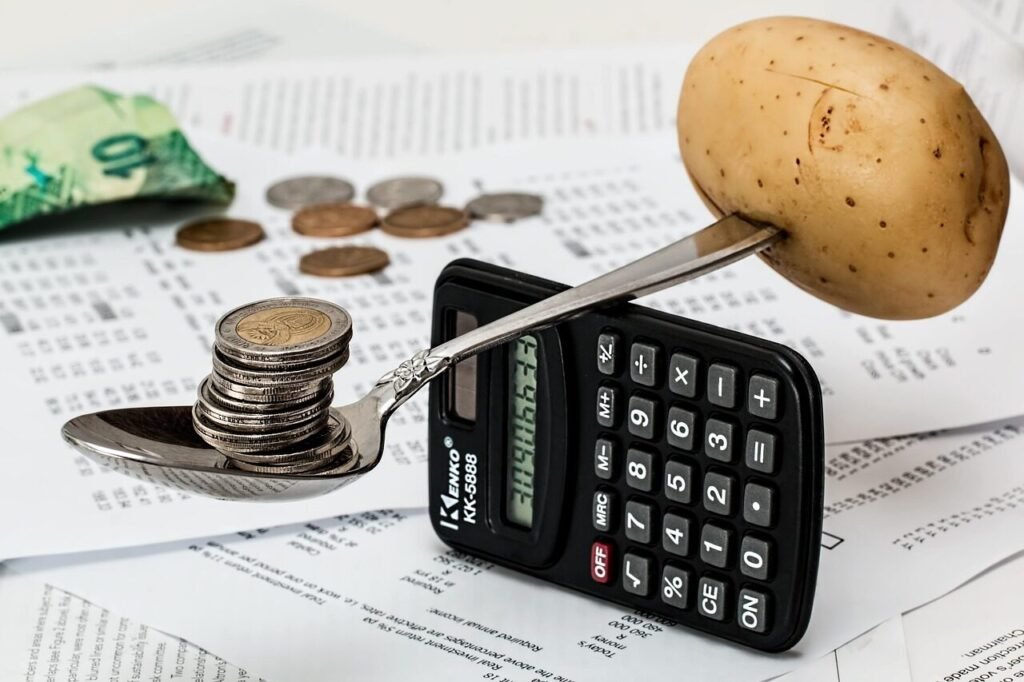
Inflation is the rate at which the general level of prices rises over time. When annual inflation is 3.4%, a basket of goods that cost $100 last year now costs about $103.40.
Two versions of the number matter. Headline inflation counts everything, including food and energy. Core inflation strips those out because they swing wildly with weather, wars, and commodity markets. Central banks pay close attention to core inflation because it shows whether price pressure is spreading through the wider economy or staying trapped in a few volatile categories.
That difference is the key to understanding 2026. Headline inflation has jumped because of energy. Whether core inflation follows is the question that keeps central bankers awake at night.
How We Got Here
At the start of 2026, the IMF expected global headline inflation to fall from 4.1% in 2025 to about 3.8% in 2026. Then the war involving Iran began, and the Strait of Hormuz, which carries roughly a fifth of the world’s oil in peacetime, became a battleground.
The IMF’s revised forecast now has global headline inflation rising to 4.7% in 2026 before easing to 3.9% in 2027. Its chief economist had warned in April that the conflict would push inflation higher, and the IMF’s July update said the global decline in inflation has stalled.
Oil is the main channel. Brent crude jumped to about $80 in the war’s first days and fell back toward $70 by July during a lull. Fighting resumed, and Brent closed at about $105 on September 17 after an attack shut Saudi Arabia’s East-West pipeline. Goldman Sachs expects Middle East shipping disruptions to continue into 2027.
When oil rises, the effect doesn’t stop at the gas station. It raises transport costs, manufacturing costs, airfares, and eventually the price of almost everything on a shelf.
The United States: Energy Up, Core Cooler
In the US, consumer prices rose 0.4% in August, leaving annual inflation at 3.4%. Gasoline was the culprit, costing 27.4% more than a year ago and accounting for more than a third of the monthly increase. The overall energy index is up 16.3% from a year earlier.
Underneath, things look calmer. Core inflation eased to 2.4% year over year, its lowest level since March 2021. Shelter costs, the largest household expense, are rising at 3.0%, and food prices are up just 2.7%.
But there is a catch. Core prices rose 0.3% in August, a notch above forecasts, and the Fed doesn’t want to wait and see. Officials remember the earlier episode when inflation was called temporary before it hit 40-year highs. On September 16 the Federal Reserve raised rates by a quarter point to 3.75%–4.00%, its first hike in more than three years. Sixteen of 18 officials see another increase coming this year.
The jobs market gives the Fed room to act. August payrolls grew by 162,000, roughly triple what economists expected, and unemployment is 4.1%. A strong labor market can mean wages keep rising, which can keep inflation alive.
Europe and the UK: Higher and Stickier
Europe is feeling the energy shock more directly. Eurozone inflation hit 3.3% in August, its highest in three years, though core inflation held at 2.4%. The European Central Bank raised its deposit rate to 2.5% on September 10, its second hike this year. Its staff projections show inflation peaking in late 2026 and easing to about 2.1% by 2028.
The UK tells a similar story. Consumer prices rose 3.1% in the year to August, a five-month high. Motor fuel prices were up 23% and petrol reached 161.3 pence a litre, the highest since November 2022. As in the US, core inflation was steadier, holding at 2.6%, while services inflation stayed at 3.4%, a figure the Bank of England watches closely.
The pattern across the West is remarkably consistent: fuel drives the headline number, while underlying inflation is elevated but not surging. That is why policymakers are tightening carefully rather than panicking.
Japan and China: The Outliers
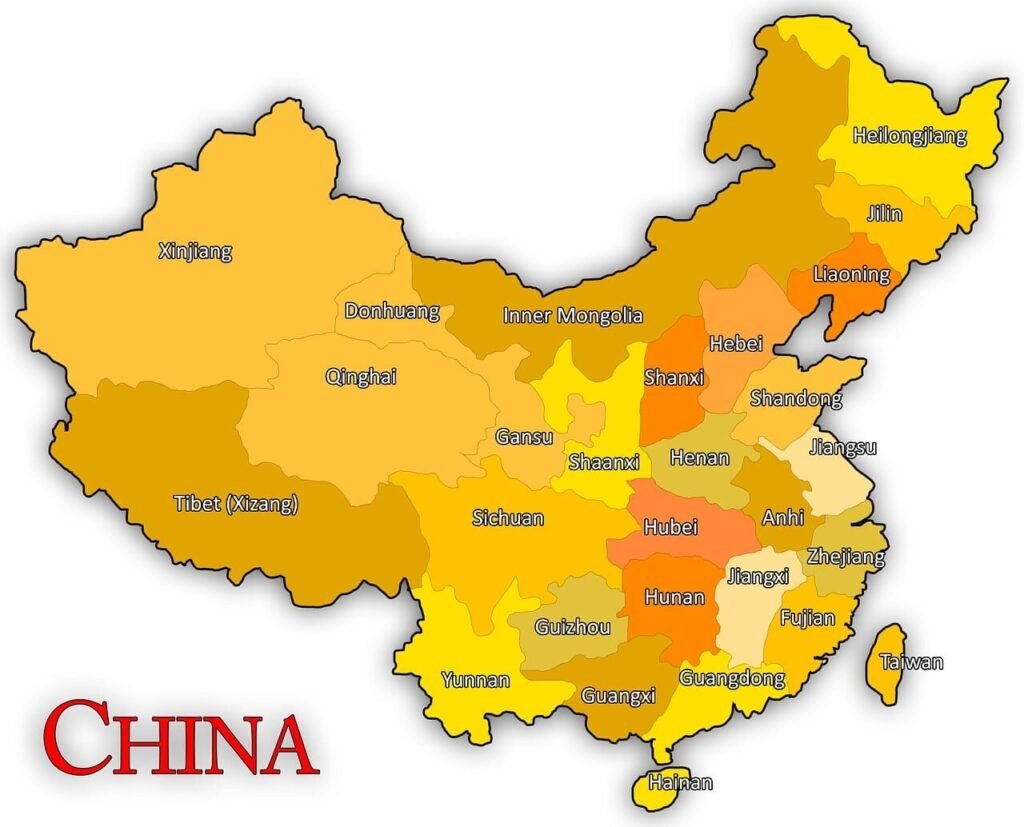
Not every major economy is fighting rising prices. Japan’s core inflation was 1.6% in June, below the Bank of Japan’s 2% target for the fifth straight month. Government energy subsidies are holding down consumer prices, but analysts warn they mask building pressure. Producer prices are rising at about 7%, and the yen recently weakened to near a 40-year low around 164 per dollar, raising import costs.
China has the opposite problem. Consumer prices rose just 0.8% in August, with core inflation at 1.0%. Weak household spending and a property slump keep demand soft, and years of ruthless price competition among manufacturers have squeezed profits. Beijing has launched an “anti-involution” campaign to stop destructive price wars and lift prices from their low levels.
These outliers matter for everyone else. China’s cheap goods have long helped hold down global inflation. And if Japan’s subsidies run out or its currency slides further, imported inflation could climb.
Food: The Quiet Pressure
Food inflation deserves its own attention because it hits low-income households hardest. The FAO’s food price index averaged 133.3 points in August, up 1.9% from July and its highest level since November 2022. It is still nearly 17% below the record set in March 2022.
The drivers are familiar. Wheat prices are 15% higher than a year ago, reflecting disruptions to Black Sea exports and hot, dry weather in Europe. Sugar jumped nearly 12% in a month. The FAO also flagged concerns over supplies of farm inputs after the closure of the Strait of Hormuz, which matters because fertilizer and energy are central to growing food.
The FAO’s chief economist said the risk premium is returning to food markets as climate shocks, geopolitical tensions, and disrupted trade converge. If those pressures persist, food prices could add to headline inflation just as energy prices start to ease.
Emerging Markets: The Hardest Hit
Wealthy countries can absorb energy shocks more easily than poorer ones. The IMF says low-income energy importers with thin buffers are the most exposed.
Pakistan illustrates the challenge. The government raised fuel prices by about 20% in March as oil surged. The State Bank of Pakistan left its policy rate at 11.5% on September 14, noting that the intensifying Middle East conflict has pushed up commodity prices that were already elevated. Inflation was about 11% in August, up from 9.2% in July. There are cushions: strong remittances are keeping external pressures contained, and the central bank’s reserves passed its target. But the outlook is uncertain, and the central bank’s target range is 5% to 7% over the medium term.
Similar stories are playing out across the developing world. Countries that import most of their fuel and food see prices rise in step with world markets, and weaker currencies make it worse.
How Central Banks Respond, and Why It Matters
Central banks have one main tool: interest rates. Raising them makes borrowing costlier, which cools spending and investment, easing pressure on prices. The trade-off is slower growth.
Their dilemma with an energy-driven shock is that higher rates cannot produce more oil. What they can do is stop a temporary price jump from becoming permanent. If workers demand higher wages to keep up and companies raise prices to cover them, inflation can become self-sustaining. Officials call this the second-round effect, and the IMF said in July that it has been limited so far.
That is the logic behind the September Fed hike. The Fed said inflation is elevated in part because of supply shocks, and that its action would speed the return to 2%. The ECB said its decision holds up across a range of scenarios.
The side effect is showing up in bond markets. The US 10-year Treasury yield rose above 4.8% in early September, its highest since late 2023, and recent reports say it has crossed 5%. Yields are up sharply around the world on inflation worries, which means costlier mortgages and loans.
The OECD has also stressed that government support for households should be timely, well-targeted, and come with clear expiry dates. Broad, open-ended subsidies risk adding to demand and prolonging inflation, which is the worry about Japan’s energy subsidies.
Who Gets Hurt Most
Inflation is never evenly shared. Lower-income households spend a bigger share of their budgets on fuel, food, and rent, so they feel price spikes hardest. People on fixed incomes, such as retirees, see their purchasing power quietly shrink. Savers earning less than the inflation rate lose money in real terms, though higher interest rates are starting to help.
Borrowers with fixed-rate loans can benefit, since they repay in money that is worth less. But those with variable-rate debt, like many mortgages and credit cards, face higher payments as rates rise. Small businesses face squeezed margins when input costs rise faster than they can raise prices.
What Could Happen Next
There are three broad paths.
In the best case, the Strait of Hormuz reopens gradually, oil drifts lower, and inflation fades by 2027. The IMF’s central forecast points that way, and the ECB expects inflation to fall back to target by 2028.
In a middle case, energy prices stay high for many months. Inflation stays above 3% in the big economies, central banks hike another time or two, and growth slows moderately.
In the worst case, disruptions drag on, higher prices spread into wages and services, and central banks tighten hard into a weakening economy. The IMF’s adverse scenario had global inflation above 5%. Its severe scenario put it above 6% with global growth near 2%.
The next US inflation report, due October 14, will be an important checkpoint.
Practical Takeaways
For households, the advice is mundane but useful. Build some slack into budgets for fuel and food. Review variable-rate debts, since rates are rising. Look at whether savings accounts are keeping pace with inflation. And be careful about big financial decisions based on short-term price moves, which can reverse quickly.
For small businesses, the priorities are managing input costs, reviewing pricing regularly, and keeping enough cash flow to survive volatile months.
None of this is personal financial advice, and individual circumstances differ. It is simply a sensible response to a period when prices are moving faster than many people planned for.
The Bottom Line
Inflation in 2026 is not a return to the double-digit crisis of 2022. Core inflation in the US is at its lowest in more than five years, and Japan and China are worried about too little inflation rather than too much. But the surge in energy and food prices is a reminder of how fragile the recent progress was.
The story of the next year will depend on a handful of things: whether the Gulf conflict eases, whether higher energy prices spill into wages and services, and whether central banks can raise rates enough to keep expectations anchored without pushing economies into recession. For now, inflation has come back, but it hasn’t yet taken over.